Wind and loosened materials
Missing or displaced shingles, exposed areas and disturbed roof edges warrant a closer look. The inspection should consider how the remaining material is attached and whether the concern is limited to one section.
Azle, Texas · Roofing for homes & businesses
Shingles in the yard or a leak after hail can leave you wondering how much damage you’re dealing with. Get help assessing your Azle roof and working out the repair needs before committing to a bigger project.
Your roof’s condition drives the work. The storm date helps put the damage in context.
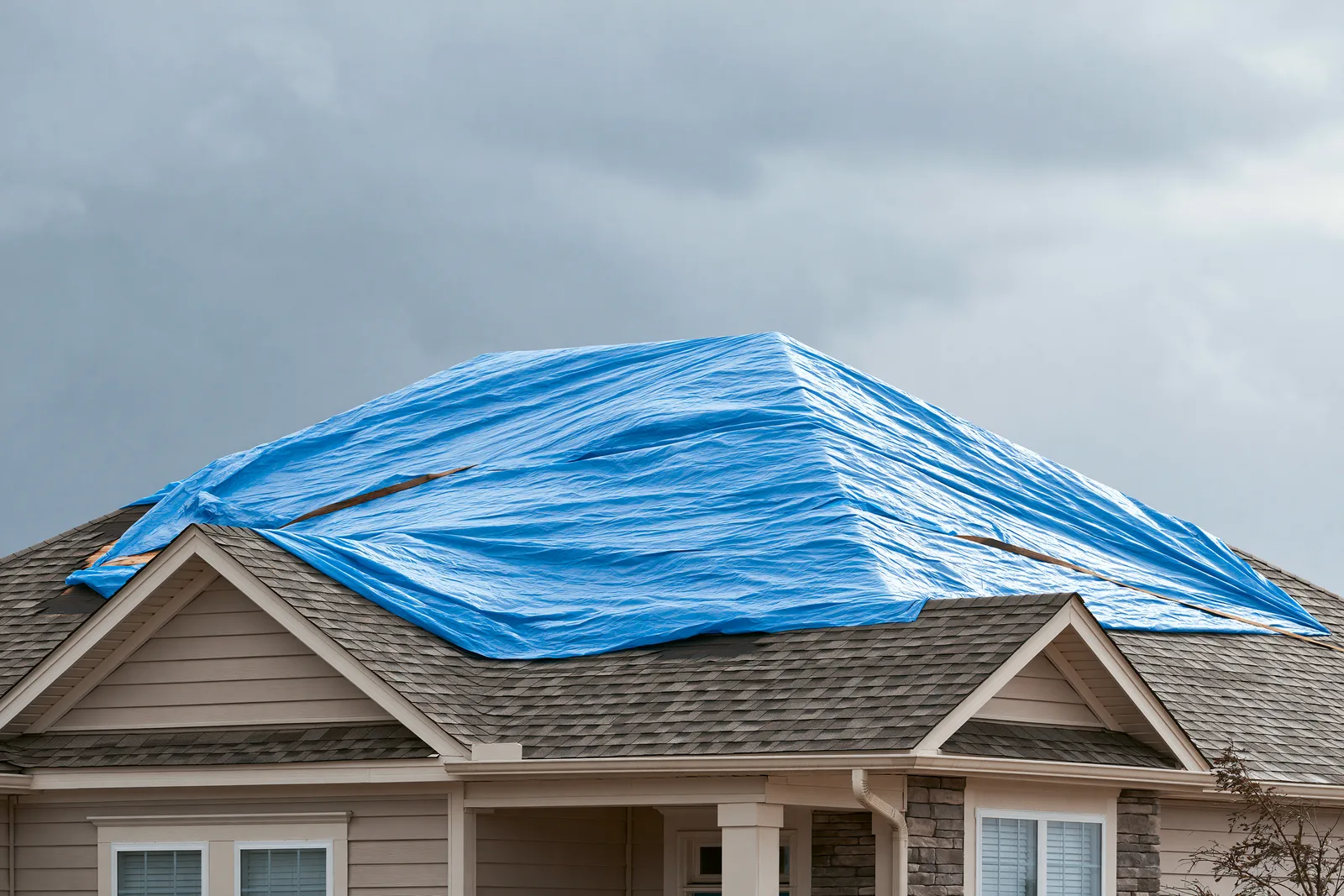
After a storm, it is hard to know which marks matter and which were already there. Start with the roof condition and any water getting into the house. Missing shingles, displaced metal and newly exposed areas deserve attention before you get caught up in a replacement decision.
Keep photos you can take safely and the date you first noticed the problem. Then discuss what needs inspection, whether temporary protection is appropriate and what permanent work is supported by the findings.
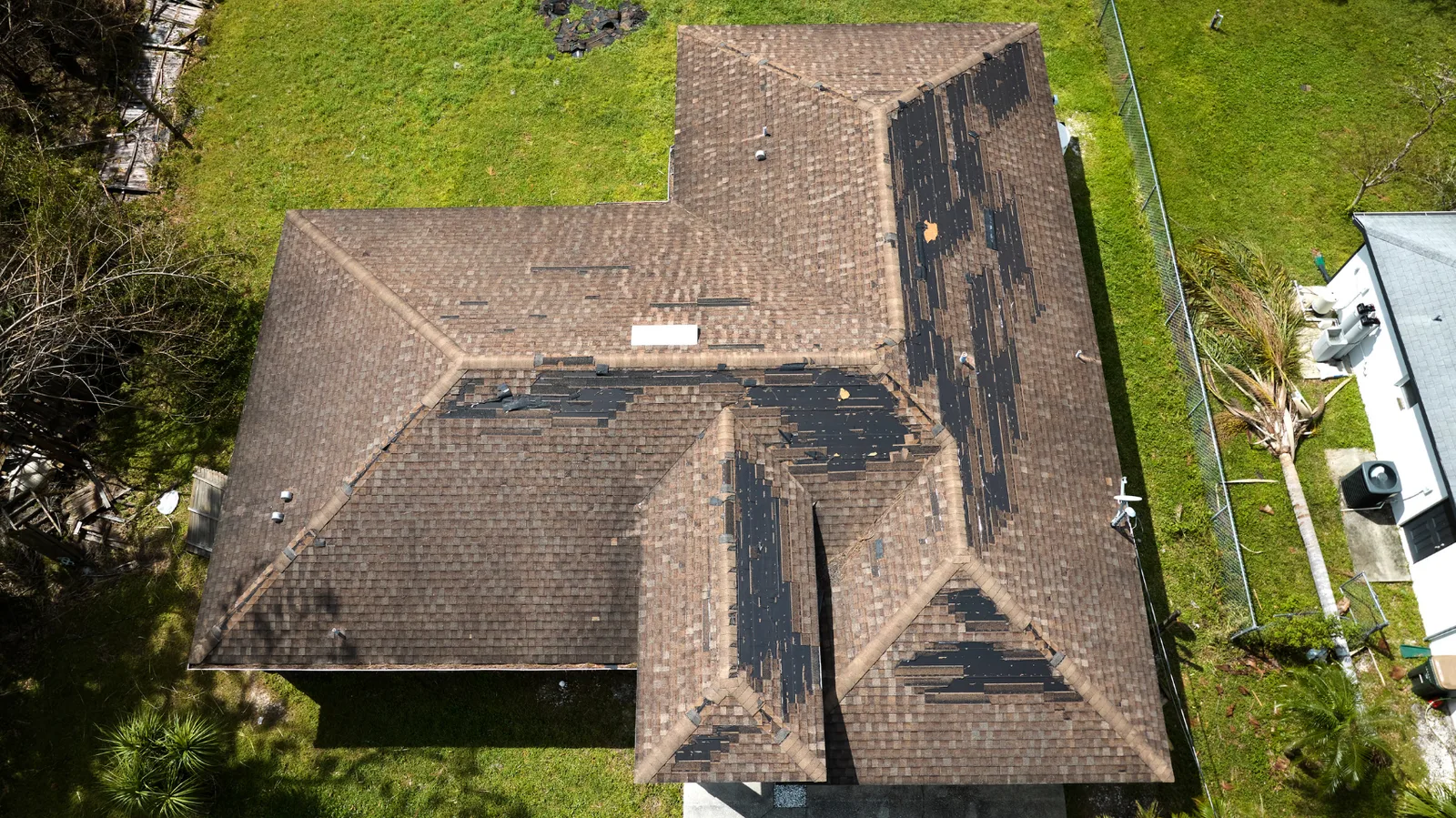
From the ground, note missing materials, fallen branches, or new water inside. Keep photos and the date you first noticed the change.
Avoid climbing up to mark damage yourself. Roof marks can have different causes, and identifying storm damage involves more than spotting a dark patch.
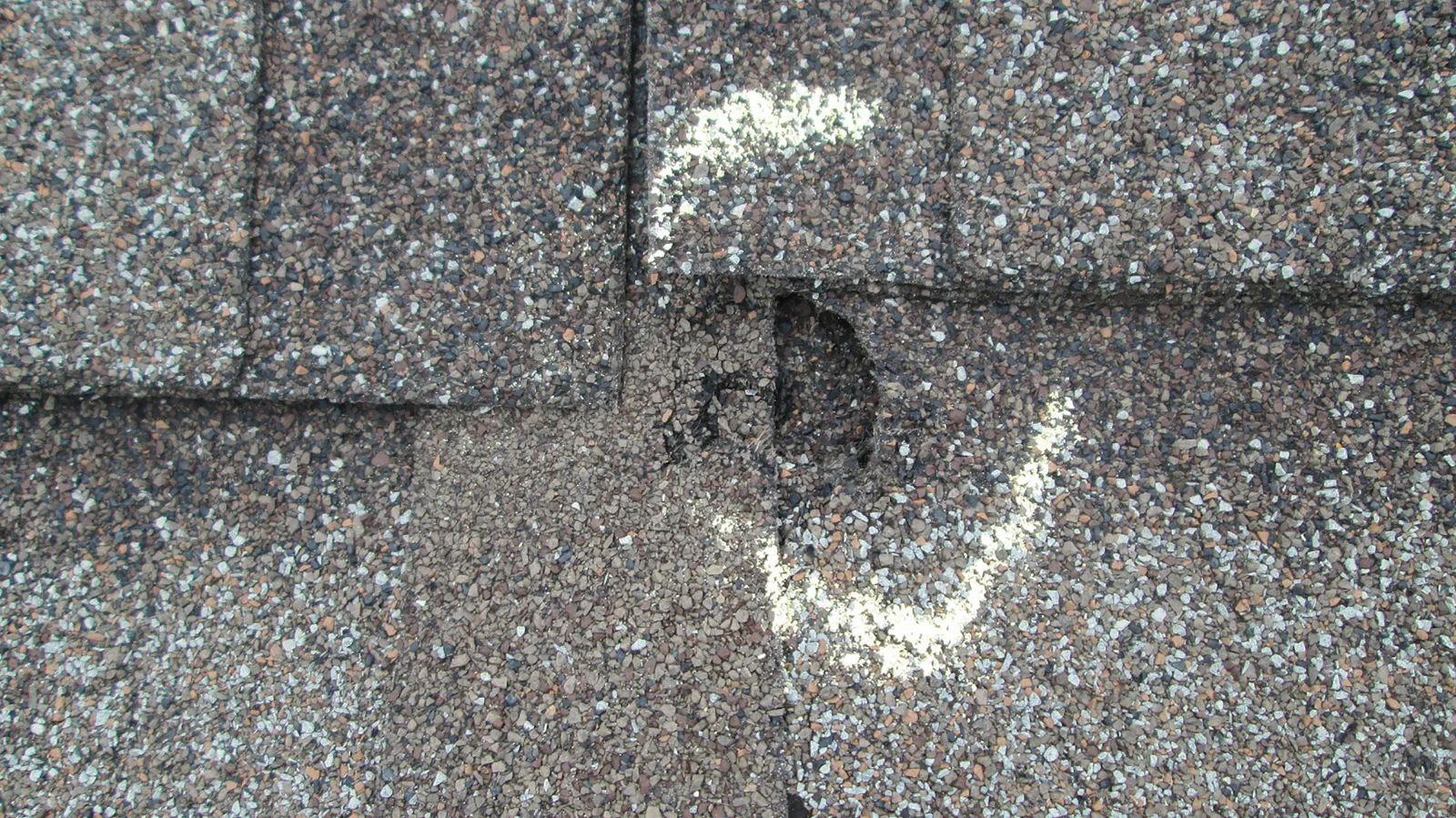
What is damaged? Can a repair address it, or is the damage more widespread? What materials and details belong in the proposed work?
Your insurer determines coverage under the policy. Deductibles, roof settlement terms, and the cause of damage can affect what you pay.
Keep the story together
A clear record makes it easier to connect the roof findings with the work being proposed.
Record the storm date if known and the changes noticed afterward. Safely taken photos can show the original concern.
Previous repair invoices or roof replacement documents help establish the history of the affected area.
Inspection findings and an itemized proposal describe the roofing work. The insurer separately determines coverage under the policy.
Missing or displaced shingles, exposed areas and disturbed roof edges warrant a closer look. The inspection should consider how the remaining material is attached and whether the concern is limited to one section.
Marks on nearby metal or debris in the yard can prompt an inspection, but they do not establish the extent of damage to the roofing. Material condition and the effect on its performance need to be assessed directly.
An active leak is a property-protection concern as well as a repair question. Keep away from damaged ceilings and electrical hazards. Explain whether water is currently entering when you request roofing help.
Nearby roofs can differ in age, material, exposure and condition before the storm. A county weather report can establish that an event occurred in the area; it cannot establish what happened to a particular home.
For your property, the useful record connects the date and observations to the roof findings. Keep photos and repair paperwork together. Any proposed permanent work should explain what was found and which parts of the roof it addresses.
After a storm, a broad statement that a roof is damaged is less useful than a record of where and how it is affected. Photos should relate to identifiable locations, and the proposed repair should connect to those findings.
The scope may be limited, or it may involve more of the roof. Either way, an understandable record helps you compare the recommendation with the condition and discuss any questions about the project.
From damage to roof work
When you noticed the concern, what changed and whether water is currently entering.
The affected surfaces and details, with photos where useful and access limitations identified.
The material and work proposed for the findings, including adjoining details.
Which immediate measures and later corrections are included in each agreement.
If the roof needs replacement, you can compare familiar shingles with impact-rated options. The product rating, appearance and complete installation all matter. Our shingle roofing guide explains the choices without assuming a particular insurance discount.
For a repair, the priority is a compatible material and a sound connection to the roof around it. The storm date alone does not decide which option fits.

Local storm record
NOAA’s April 25, 2026 report records a three-inch hailstone near Azle, at a report point about half a mile from central town. Compare the date with when you noticed a problem, then let the roof findings establish what was damaged.
The NOAA event location is Azle, in Tarrant County. Its report describes a three-inch hailstone measured near Azle.
A nearby report helps establish the weather history. The condition of your roof determines whether it needs a repair or a larger project.
No. An event report is a reason to pay attention, not proof that the roof must be replaced. The damage, condition and repairability of the actual roof need to support the recommendation.
A roofing assessment can help clarify what work is needed. The insurer determines coverage under the policy. Keep the repair scope, the policy terms and any reporting requirements in view as you decide what to do.
No. A repair proposal describes work and price. Coverage, deductibles and settlement terms are decided through the policy and claim process.
Azle Peak Roofing
If wind or hail has left you unsure about your roof, start here. Include the storm date if you know it and any damage you can see from a safe place.
(817) 813-8022