One failed detail
A torn shingle, damaged pipe boot or failed flashing connection can be repaired on its own when the rest of that roof area is holding up.
Azle, Texas · Roofing for homes & businesses
You want the leak stopped, not a sales pitch for a roof you might not need. Get help with damaged shingles, flashing and repairs that haven’t held up. A sound roof with one failed detail is often worth fixing.
The point of a repair is to solve the cause and keep the sound parts of your roof working.
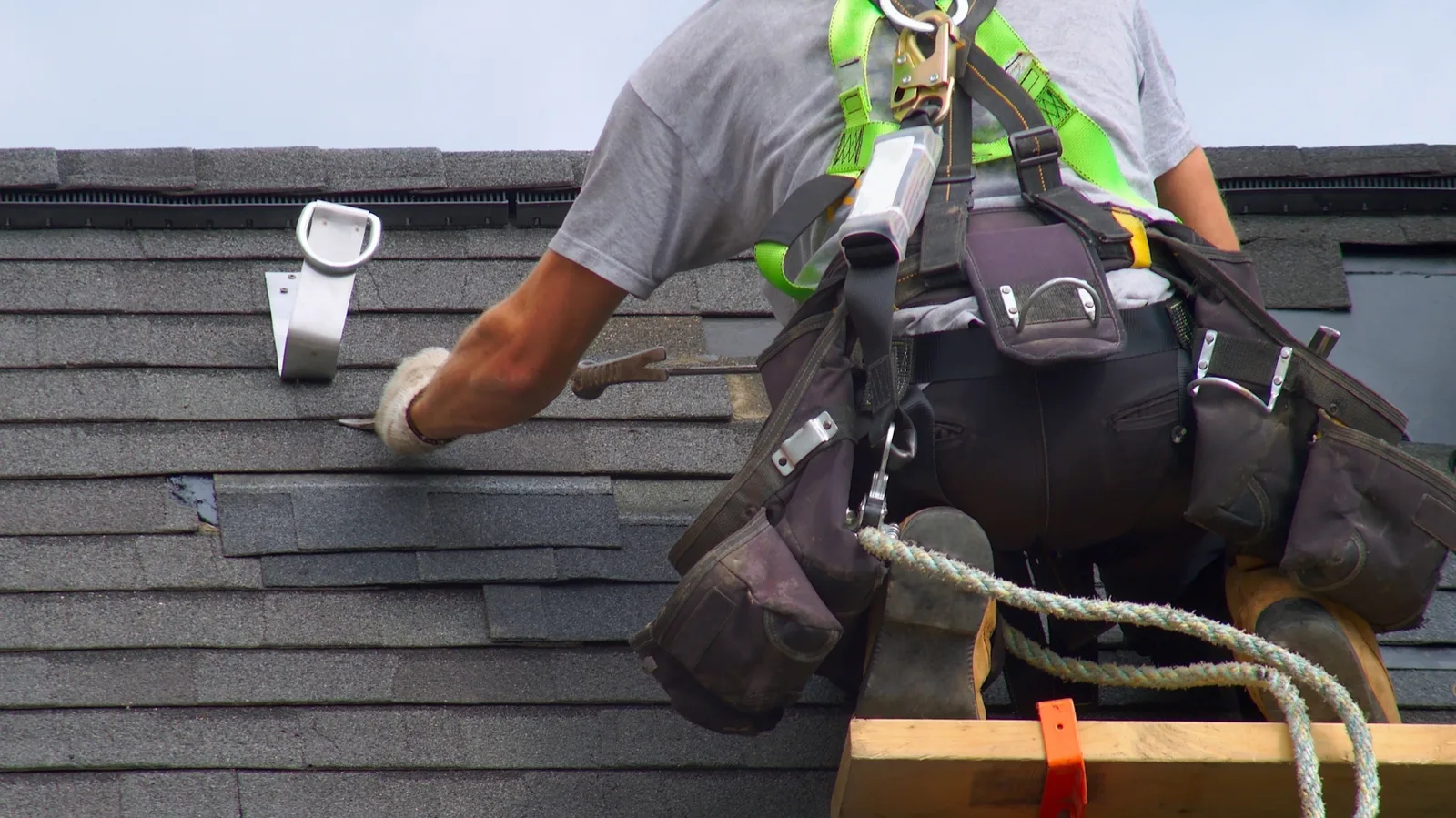
A torn shingle or cracked pipe boot doesn’t automatically put you in the market for a new roof. If the surrounding material is sound, repairing that failed detail can be the sensible choice.
Already paid for a patch that didn’t last? That’s frustrating, and another coat of sealant isn’t much of an answer. A lasting repair depends on finding the entry point and tying the fix into sound roofing around it. Tell us what’s happened so far.

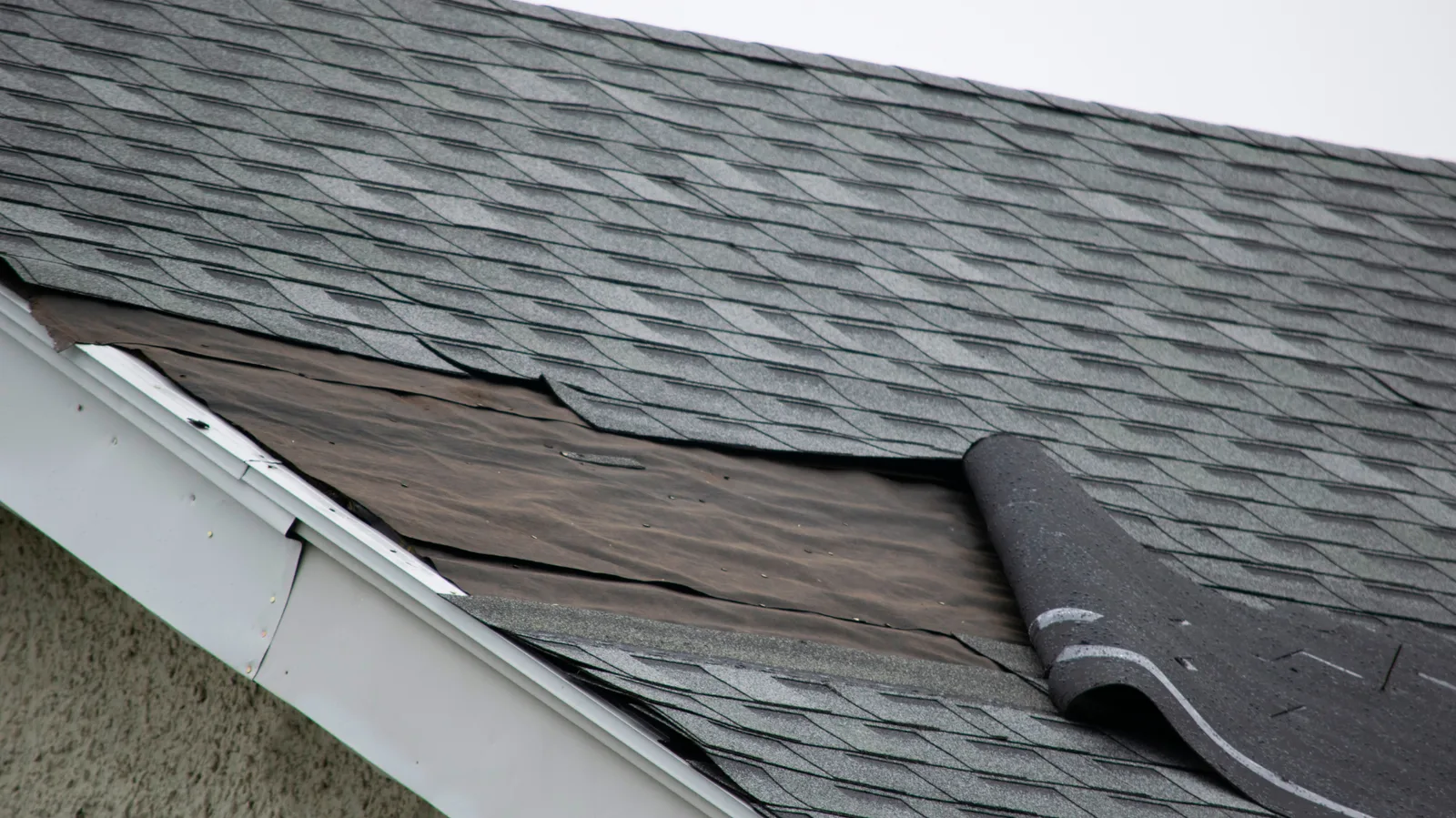
A missing shingle leaves an obvious gap. A split rubber boot around a vent pipe can be harder to spot. Flashing where the roof meets a wall can let water behind the surface even when the shingles below it look fine.
Water can follow a rafter or the underside of the decking before it reaches your ceiling. The wet mark tells you where it came into the room, so the search also needs to follow the roof above it.
A leak that starts only with wind-driven rain gives a different clue from one that appears after every shower. That pattern and any earlier patch help focus the roof inspection.
| Concern | What needs a closer look | Why it affects the work |
|---|---|---|
| Missing or damaged shingles | The exposed area, fastening, seal and adjacent shingles. | The replacement needs to fit into sound surrounding roofing without causing more damage. |
| Pipe or vent leak | The boot, flashing and roofing around the opening. | Sealant over a cracked component may leave the failed part in place. |
| Roof-to-wall or chimney leak | Flashing, wall connections and the route water can take behind them. | Work may extend beyond the spot visible from the yard. |
| Valley or roof-edge trouble | The drainage path, metal details and any affected underlayment or decking. | Water collects and moves through these locations, so the repair must preserve drainage. |
| Repeated patch failure | Previous work and the condition of the adjoining roof. | A recurring failure can require opening a larger area or reconsidering the repair approach. |
The question is what will be left after the damaged part comes out. A single failed boot on flexible, well-fastened shingles is a different job from a patch surrounded by shingles that crack as they are lifted.
A torn shingle, damaged pipe boot or failed flashing connection can be repaired on its own when the rest of that roof area is holding up.
New flashing often tucks beneath existing shingles. Those shingles have to lift and go back without breaking. Brittle material can turn a small opening into a larger repair.
Curling, cracking or repeated failures across several slopes deserve a whole-roof discussion. Fixing one entry point will not renew the other worn areas.
The work behind the price
The size of the stain does not tell you the size of the repair. Replacing one exposed component and taking apart several rows of shingles to reach buried flashing are different amounts of work.
Consider repair versus replacementA steep upper roof takes different access from a low porch. Once the opening is exposed, wet decking or damage at the wall can add work that was not visible from the yard.
A discontinued shingle may be hard to match, and weathering changes the color of the existing roof. A sample makes that difference easier to judge before deciding how much to replace.
Yes, where the cause is limited and the surrounding roof is serviceable. Replacing a failed component or correcting a flashing detail can be the appropriate scope. The important part is establishing the entry point and the extent of damage rather than guessing from the ceiling mark.
The previous work may have missed the entry point, addressed a temporary symptom, or left an adjoining failure untreated. A repeat leak deserves a fresh look at the water path and repair history. It does not automatically prove the entire roof needs replacing.
An exact match may be difficult after weathering or if the original product is discontinued. A sample can help show what to expect. Appearance and the ability to install the replacement material correctly are separate parts of the discussion.
Do not climb onto a wet, damaged or unstable roof to investigate or cover it. Keep clear of ceiling areas that are sagging or bulging, and avoid water near electrical fixtures. Describe the active leak when requesting help so the immediate concern is clear.
Several repairs can justify reviewing the roof as a whole, but the reason for each one matters. Unrelated isolated issues are different from widespread deterioration or the same unresolved leak. Condition, repairability and the proposed costs should drive the decision.
Roof replacement planningAzle Peak Roofing
Tired of another temporary patch? Tell us where the trouble is and what’s been tried. Start with the repair you need.
(817) 813-8022