Blocked drainage
Leaves or other debris can obstruct a gutter or outlet. Clearing the obstruction may resolve that cause, but persistent overflow also calls for a look at the gutter layout and discharge path.
Azle, Texas · Roofing for homes & businesses
Water spilling over the gutter shouldn’t be part of getting through the front door. Get help with sagging runs, leaking joints and replacement gutters for your Azle home, starting with where the water is going wrong.
A good gutter layout carries water through the downspout and away from the places you’re trying to protect.
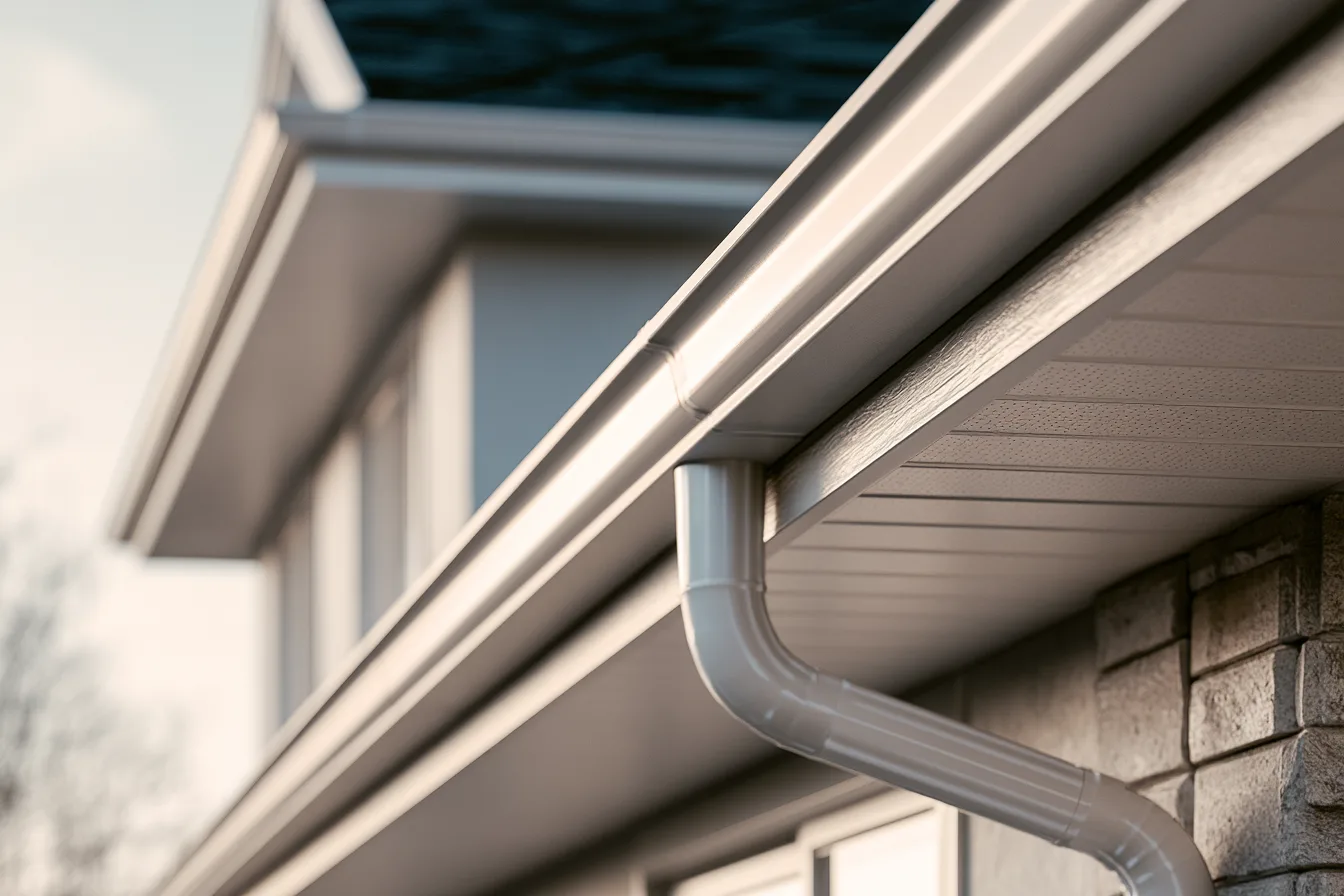
Water spilling over the gutter can make a mess of the entryway and leave you worrying about the trim below. The right fix starts with where that water is getting held up, so the work solves the problem you see in the rain.
A gutter that overflows may be blocked, poorly pitched or too small for the water reaching it. A leaking joint or sagging run points to a different repair. Looking at the whole route from the roof edge to the downspout helps avoid replacing the wrong part.
Tell us where the water spills and whether the fascia or trim has been affected. If a roof replacement is also planned, it is worth discussing the edge and gutter work together so the pieces fit when the job is finished.

The gutter collects water at the eave. The outlet and downspout carry it away. Trouble in either part can show up as overflow or water landing where you don’t want it.
From a safe place, note where the overflow happens and whether a section looks loose. Avoid leaning a ladder against damaged gutters.
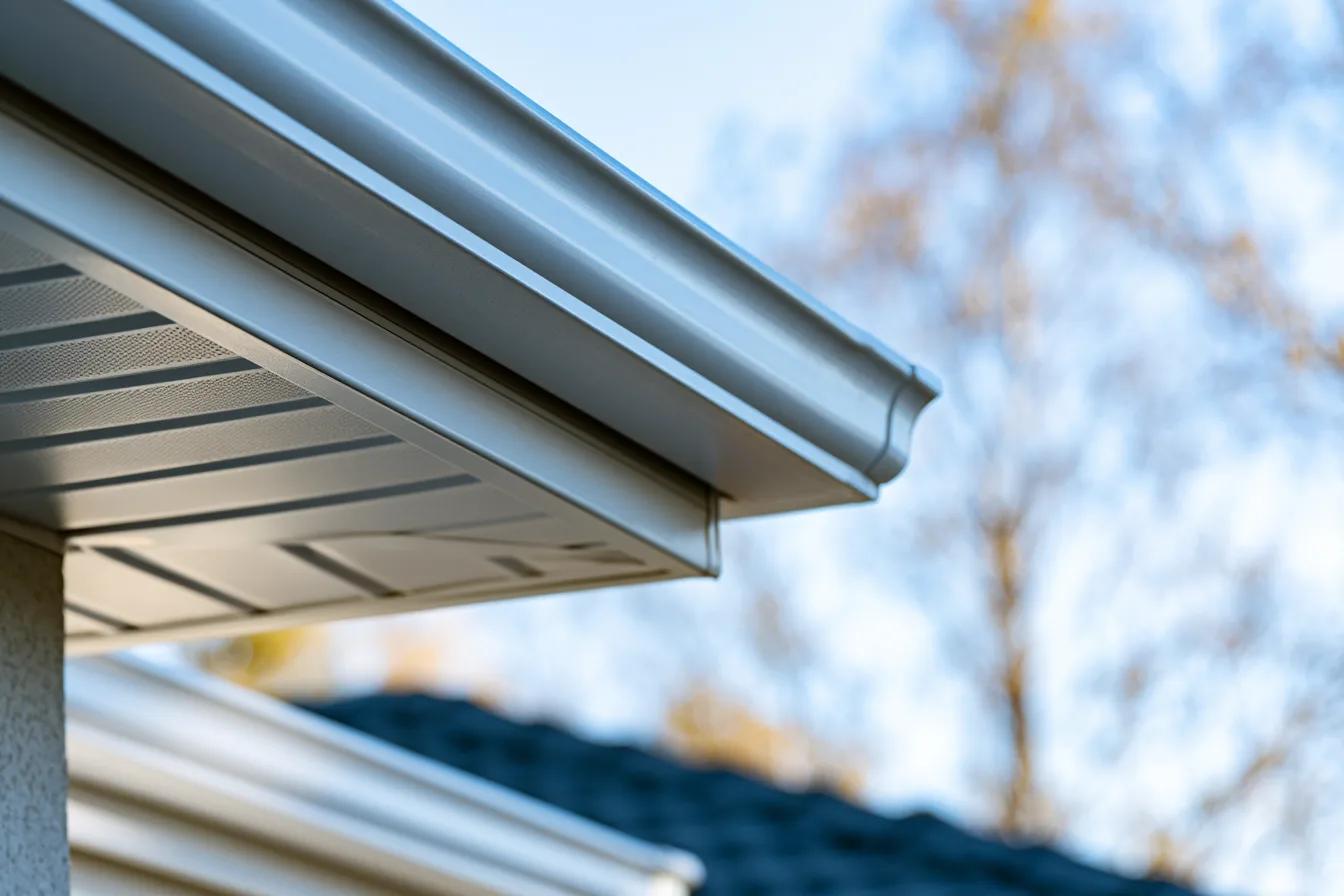
Ask about loose hangers, separated joints, damaged outlets, and whether the gutter slope or a blockage is contributing to the problem.
Discuss roof area, gutter placement, downspout locations, and discharge. Color matters, but so does what happens to the water after it leaves the gutter.
A new gutter run should look like it belongs with the roof and trim. Color and profile shape that appearance; the size, outlets and downspout positions determine how the water moves. Both are worth getting right.
Leaves or other debris can obstruct a gutter or outlet. Clearing the obstruction may resolve that cause, but persistent overflow also calls for a look at the gutter layout and discharge path.
A sagging run or loose attachment can let water stand or flow where it should not. The condition of the supporting fascia matters when deciding whether a focused fastening repair is enough.
Leaking seams, corners and downspout connections need to be assessed as part of the run. Extending or redirecting discharge also needs thought about where the water will go on the property.
Gutters connect to the area where roof water is supposed to leave the building. If roof-edge metal or fascia also needs work, it helps to define those responsibilities together. Otherwise one finished item may have to be disturbed to repair the next.
A replacement proposal should describe the runs, material, downspout positions, attachment and disposal. Height, access, corners and related wood repair can affect the project as much as the total gutter length. Leaf protection is another separate choice, with its own maintenance needs.
| Project detail | What to establish | Why it matters |
|---|---|---|
| Runs and corners | The lengths, roof edges served and number of turns. | The layout affects materials, joints and installation work. |
| Downspouts | Outlet positions and the intended discharge locations. | Water needs a usable route away from the gutter, not merely a new channel above it. |
| Height and access | Working height and obstacles around the house. | Access can affect installation effort even when the gutter length is modest. |
| Supporting wood | The condition of fascia and attachment areas. | New gutters need a sound place to attach; wood repair may be a separate scope. |
| Old material | Removal, hauling and disposal responsibilities. | The replacement price should identify what happens to the existing system. |
An isolated loose connection or leaking joint can be different from a run that is corroded, distorted or poorly positioned along much of the roof edge. The repair needs to fit the condition of the material around it.
If water stands in the gutter after debris is cleared, the slope and outlets deserve a closer look. If water passes behind the gutter, the roof-edge connection may be involved. Simply applying sealant at the visible drip may not correct either problem.
For replacement, appearance, material and layout should be considered together. Matching the trim is useful, but outlet placement and the route water takes at ground level are practical parts of the decision too.
At the roof edge
A drainage problem may involve a single connection, a blocked outlet or a longer run. These details help narrow the discussion.
Debris or an undersized or blocked outlet may interrupt the flow. The gutter position and slope also deserve a look.
Roof-edge details, loose attachments or deteriorated fascia can be involved.
Water needs a continuous path away from the roof edge. A damaged elbow or loose section may be repairable without replacing every gutter.
It may help where capacity is the issue, but a blockage, incorrect slope or restricted outlet can still cause trouble. Establish the cause before assuming that size alone is the answer.
No. Debris and roof conditions vary, and guards can still need cleaning or attention. Compare the system, access and maintenance expectations before choosing one.
Not automatically. Their condition and the planned roof-edge work matter. Sound gutters may remain useful, while damaged runs or coordinated fascia work may justify doing the projects together.
Azle Peak Roofing
Tell us where the gutter leaks or overflows and whether you’re planning roof work too. Let’s get the drainage problem on the way to being sorted.
(817) 813-8022