The covering and its details
A useful review considers the roof surface along with valleys, roof edges, flashing and penetrations. The point is to relate the condition to the concern, whether that is a leak, visible damage or planning future work.
Azle, Texas · Roofing for homes & businesses
Before you spend money on the roof, find out what needs attention. An inspection can help explain a leak, check storm concerns or put an aging roof into perspective. Start with the question that’s worrying you.
A helpful inspection connects what’s visible on the roof with what it means for your home.

Wondering whether your roof is still in good shape can be almost as frustrating as a visible leak. An inspection should give you something useful to work with: what needs attention, what can remain and whether a larger project belongs in the budget.
Ask for an explanation you can follow: the areas examined, the concerns found and the places that could not be reached. Photos are helpful when they show both the detail and where it sits on the roof.
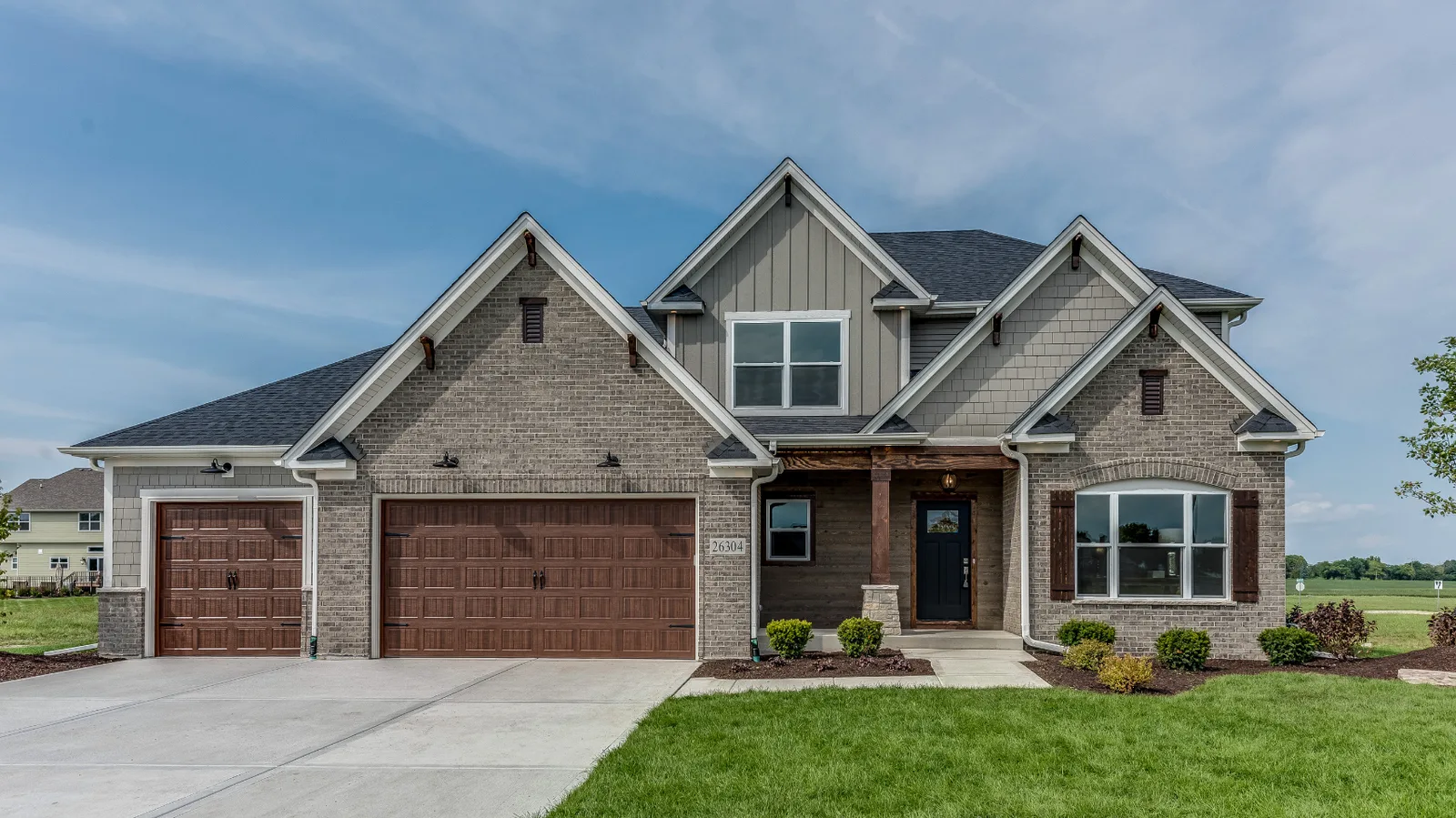
Point out the leak, stain, missing shingle, or recurring issue. Knowing what brought you to the inspection helps focus the discussion.
Explain whether you are buying, selling, maintaining, or budgeting for the property. These situations can call for different questions and documentation.
Roof covering, flashing, vents, valleys, and visible drainage details can all be relevant. Access limitations may affect what can be examined.
Before arranging a visit, ask about cost, access, photos or written findings, and how recommendations will be explained. Those details should be established with the roofing contractor.

A useful review considers the roof surface along with valleys, roof edges, flashing and penetrations. The point is to relate the condition to the concern, whether that is a leak, visible damage or planning future work.
Water needs an appropriate path off the roof. Visible debris, gutter overflow or trouble around adjoining walls may help explain a problem that is not confined to the middle of a slope.
Photos help show where a finding is located. The report should also make inaccessible areas and other limits clear. Roofing can conceal conditions that a surface review cannot fully establish.
The useful outcome is an understandable description of the condition and any recommended action. A repair recommendation should name the problem it would address. A replacement recommendation needs to explain why limited work may not be sufficient.
An inspection is not a guarantee of how many years remain, and it is not the same thing as an insurance coverage decision. If you need a particular report for a sale, policy or other purpose, describe that requirement before arranging the assessment.
| Reason for the review | Useful focus | Useful outcome |
|---|---|---|
| A recurring leak | The water-entry pattern, roof details above it and earlier repair work. | An explanation of the likely cause and the scope needed to address it. |
| Visible damage | The affected covering, adjoining materials and relevant roof connections. | Documented findings with the location and repair implications. |
| Planning a replacement | Existing materials, measurements, details and accessible condition. | A better basis for comparing complete project scopes. |
| General condition concern | Observable wear, roof details and areas needing attention. | A condition explanation with priorities and clearly stated limitations. |
Different situations may call for different professionals or documents. A roof-condition review is not automatically a structural evaluation, an insurance decision, or the specific report required by a buyer or lender. Describe the purpose before arranging the visit so the scope can be matched to the need.
If the concern includes a change in the building, an unusual deflection or other structural issue, explain it clearly rather than assuming a routine roofing review will cover it. The roof covering and the structure beneath it are related, but they are not the same assessment.
Weather and safe access can also limit what is observed during a visit. A report that explains those limits is more useful than one that gives a blanket conclusion without identifying what was examined.
Start with the recommendation and the evidence behind it. A useful explanation identifies what needs attention, why it matters and whether the work is immediate repair, planned maintenance or a broader project.
If several options are proposed, consider what each one addresses and what remains unchanged. Keep the photos and written findings with any later proposal so the link between the condition and the work stays clear.
It depends on the concern, access and agreed scope. Accessible interior evidence can help with some leak investigations. It should not be assumed that every assessment includes entry into every attic or concealed space.
It can document what is observed within its scope. It cannot guarantee the condition of every concealed component. Areas that could not be accessed or assessed should be identified.
Understanding the existing roof helps define the work. Measurements alone do not establish the condition of all flashing, decking or adjoining components.
Azle Peak Roofing
A question about a leak, storm damage or an older roof is enough to begin. Tell us what you want the inspection to help you understand.
(817) 813-8022