Why a roof leak can keep showing up after the rain stops
The rain has ended, but the damp patch is growing or a drip is still appearing. That delay can make the problem confusing. The timing is a clue to share, not a reason to guess at a repair from inside the room.
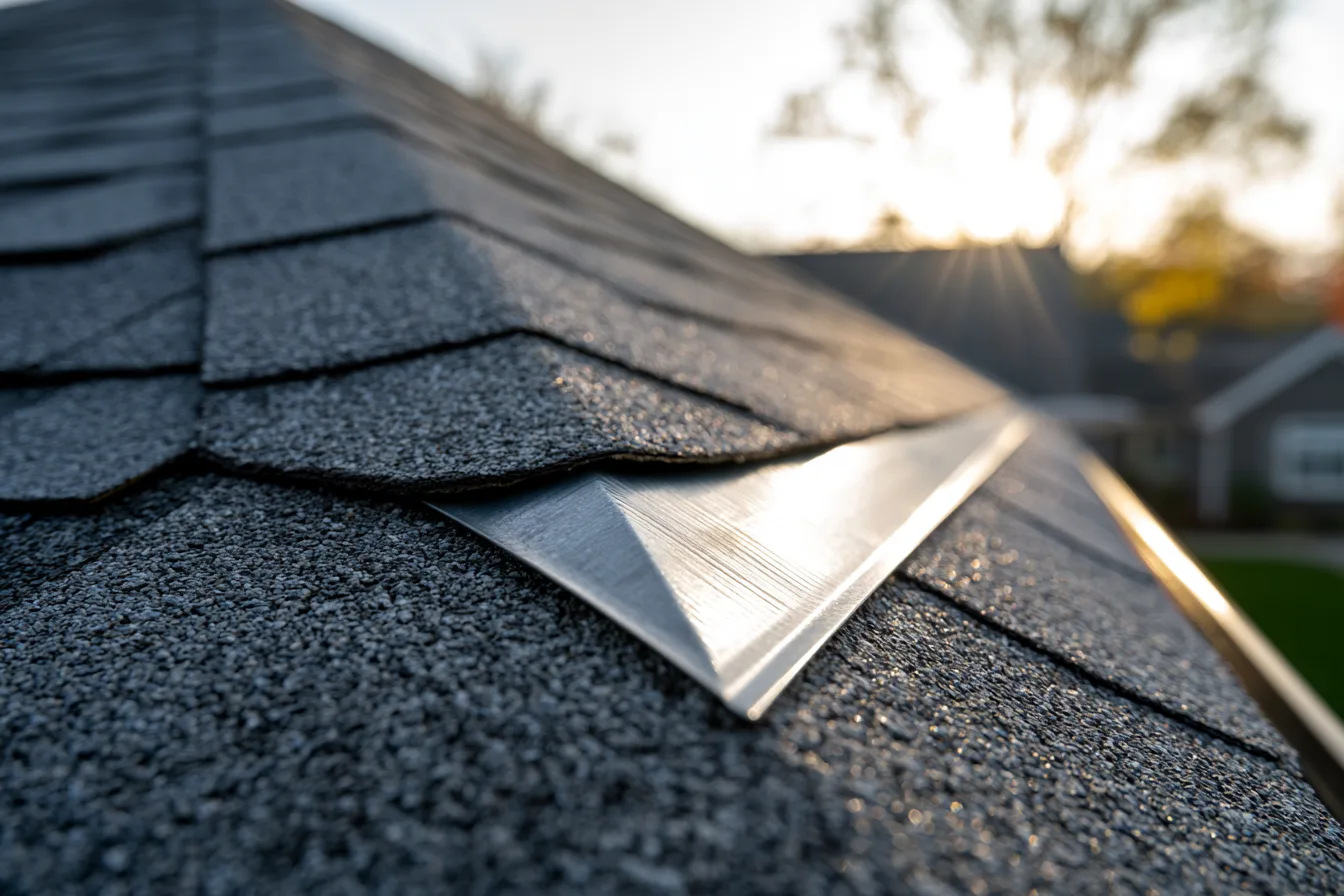
Water does not always take a direct route
Water can move along roof framing or other surfaces before it reaches a ceiling. Materials that have become wet can also release moisture after the weather changes. The spot you see indoors may be some distance from the place water entered.
A roofer may need to examine the roof details above and around the affected area rather than only the shingles directly over the mark. Explain whether the drip starts during rain, afterward or only under a particular wind direction.
Write down the pattern while it is fresh
Note the date, the affected room and whether the spot is new or returning. If you can take a photo safely from the room or the ground, keep it with those notes. A picture that shows the wider room location can be useful alongside a close view.
Also mention earlier repairs, recent exterior work and any roof opening nearby. You do not need to decide which detail caused the leak. You are giving the person investigating it a clearer starting point and a way to compare the current symptom with the history.
A roof leak is not the only possible source
Plumbing, condensation and other moisture sources can produce marks that resemble a roofing problem. If water appears without recent rain, say so. If it follows use of a fixture or equipment, include that pattern as well.
The investigation should follow the evidence. That may mean ruling out another source before repairing the roof. Paying to seal a visible roof detail will not help if the water is arriving from somewhere else.
A repeated patch needs a fresh explanation
If the same symptom returns, ask what the earlier repair addressed and what the new inspection found. Was the repair at the entry point? Is an adjoining detail now involved? Has the surrounding material deteriorated?
The next proposal should connect the finding to the correction. More sealant in the same general area is not an explanation by itself. Photos of the affected connection and plain-language notes help you understand why the new scope differs from the last attempt.
Take care with the space below
Keep people away from an area where the ceiling appears to be sagging or unstable, and avoid contact with electrical equipment near water. Do not climb onto a wet roof to investigate. An immediate threat to safety calls for emergency help.
When you contact a roofing professional, say whether water is still entering and ask about the available next step. A request message is useful for the history, but it is not a promise that someone is on the way.
Separate stopping the water from finishing the room
The roof correction and the interior restoration are separate parts of the work. Before repainting, establish that the source has been addressed and the affected materials are ready for repair. Otherwise the same mark can reappear and leave you uncertain about what was fixed.
Keep the roof findings and repair record. If the symptom returns, those details give the next investigation something more useful than the memory of a patch.